

Communication Through Storytelling
Narrative and Public Engagement
Stories influence how we understand health, illness, science, and each other. Through video, illustration, comics, and educational media, I’ve explored how narrative can make abstract topics more accessible, emotionally resonant, and human.
My storytelling work is particularly focused on scientific literacy, healthcare empathy, and the emotional dimensions of communication.
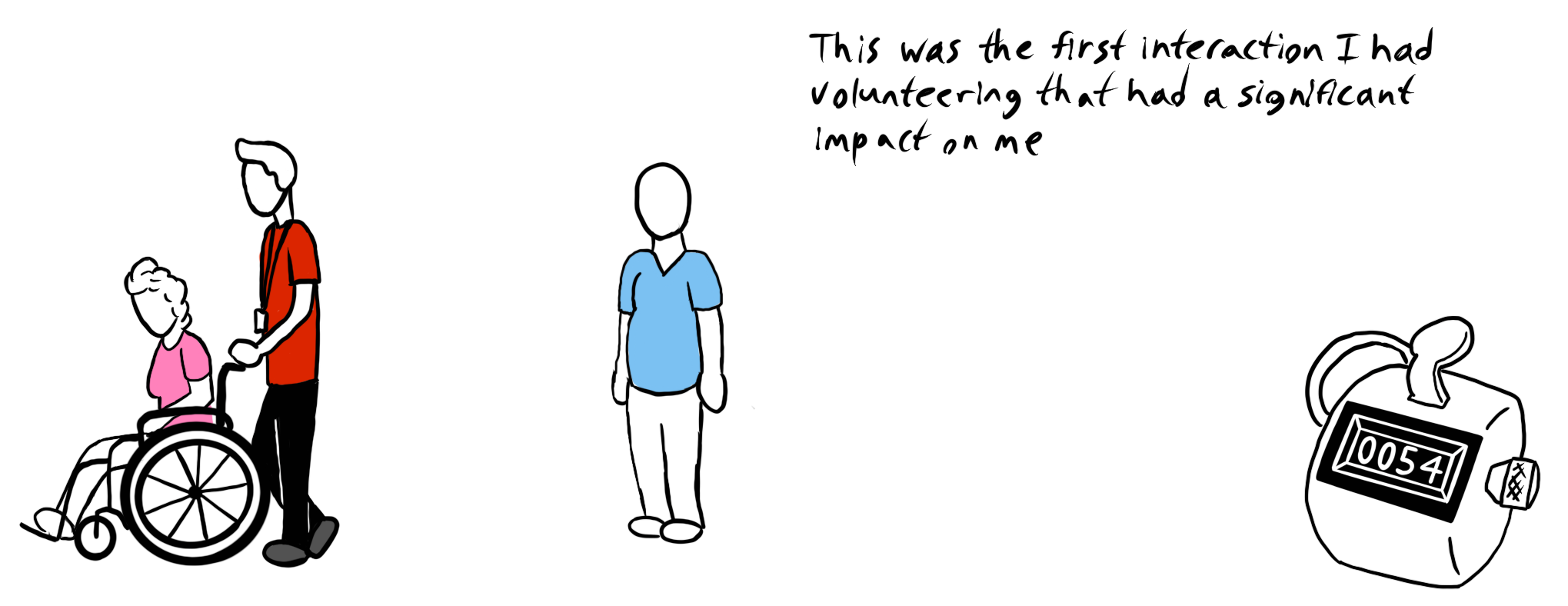
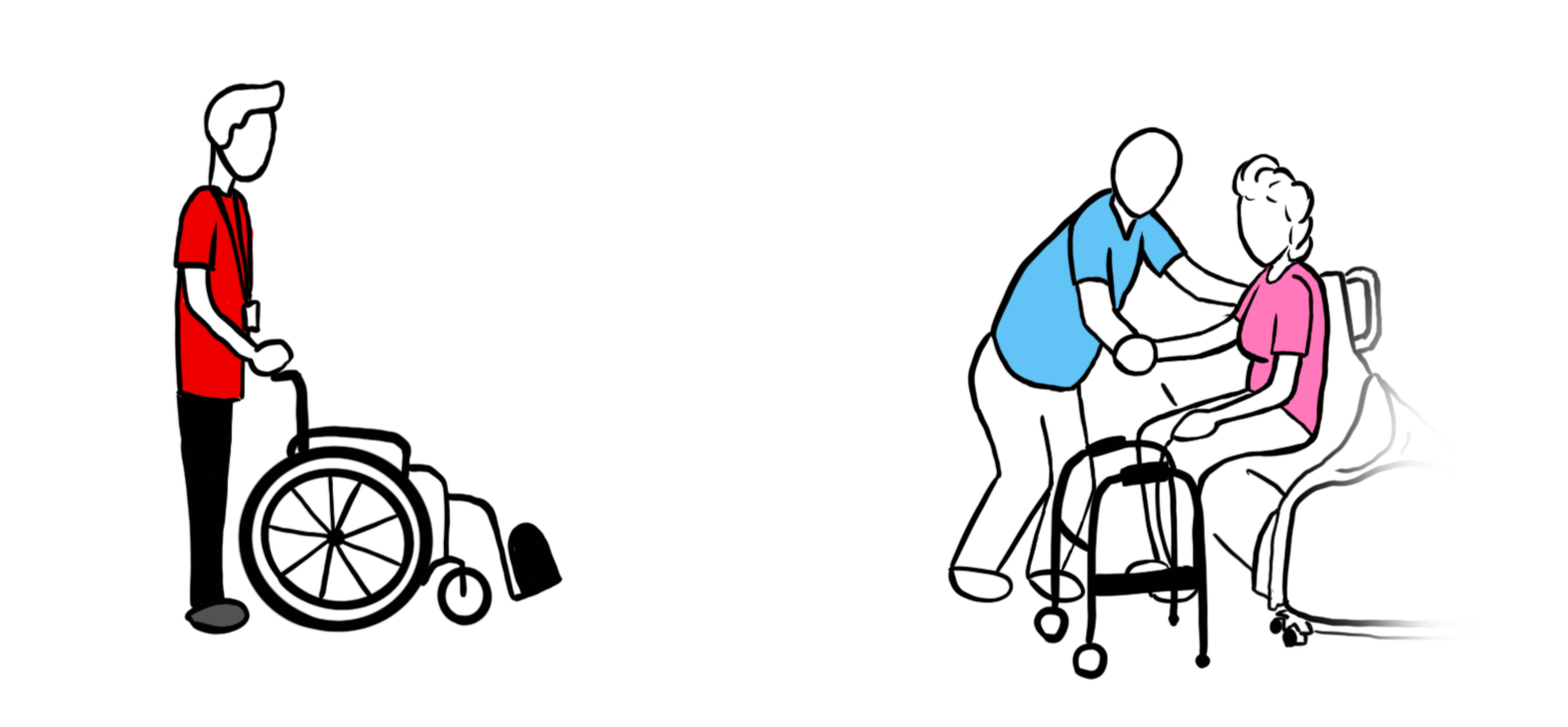
Frame from “The Red Thread” - B. Lazar, 2024

(Hover to view background)
1. “He explained everything in a way that made it easy to understand and remember.” — University of Toronto student
•
2. “Brendan’s illustrations were visually engaging and highly effective at communicating complex ideas. His work helped position PocketHealth as more patient-centric and was featured in demos as a standout example of our user-focused approach.” — Rishi Nayyar, CEO of PocketHealth
•
3. “Brendan played a key role in establishing the Canada Prize’s public presence through its website and visual identity. He translated Earth Science into a clear, professional visual system that strengthened how we communicate the Prize.” — Ron Larson, President, The Canada Prize Foundation
•
4. "Brendan's work strikes a great balance between creativity and accuracy, creating visuals that are both engaging and approachable for patients. He is collaborative, open to feedback, and always focused on what's best for the project." — Egan Lee, Product Design, PocketHealth
•
5. "He is an expert in communications." — Verónica Antunes, PhD in Seismology
•
6. “Brendan is an effective and compassionate educator who supports neurodivergent learners in a way that is both academically rigorous and emotionally safe. He considers Universal Design for Learning, making course material more accessible to a variety of learning styles.” — Diana Kurila, Teacher, Emily Follensbee School
•
7. “Brendan is not only an expert in his craft, but also highly reliable and collaborative. He consistently delivered high-quality work under tight deadlines and integrated seamlessly with our product and design team.” — James Kwok, Senior Product Designer
•
8. “That’s why a professional communicator is required.” — Ron Larson
•
1. “He explained everything in a way that made it easy to understand and remember.” — University of Toronto student • 2. “Brendan’s illustrations were visually engaging and highly effective at communicating complex ideas. His work helped position PocketHealth as more patient-centric and was featured in demos as a standout example of our user-focused approach.” — Rishi Nayyar, CEO of PocketHealth • 3. “Brendan played a key role in establishing the Canada Prize’s public presence through its website and visual identity. He translated Earth Science into a clear, professional visual system that strengthened how we communicate the Prize.” — Ron Larson, President, The Canada Prize Foundation • 4. "Brendan's work strikes a great balance between creativity and accuracy, creating visuals that are both engaging and approachable for patients. He is collaborative, open to feedback, and always focused on what's best for the project." — Egan Lee, Product Design, PocketHealth • 5. "He is an expert in communications." — Verónica Antunes, PhD in Seismology • 6. “Brendan is an effective and compassionate educator who supports neurodivergent learners in a way that is both academically rigorous and emotionally safe. He considers Universal Design for Learning, making course material more accessible to a variety of learning styles.” — Diana Kurila, Teacher, Emily Follensbee School • 7. “Brendan is not only an expert in his craft, but also highly reliable and collaborative. He consistently delivered high-quality work under tight deadlines and integrated seamlessly with our product and design team.” — James Kwok, Senior Product Designer • 8. “That’s why a professional communicator is required.” — Ron Larson •
•
6. “Brendan is an effective and compassionate educator who supports neurodivergent learners in a way that is both academically rigorous and emotionally safe. He considers Universal Design for Learning, making course material more accessible to a variety of learning styles.” — Diana Kurila, Teacher, Emily Follensbee School
•
5. "He is an expert in communications." — Verónica Antunes, PhD in Seismology
•
4. "Brendan's work strikes a great balance between creativity and accuracy, creating visuals that are both engaging and approachable for patients. He is collaborative, open to feedback, and always focused on what's best for the project." — Egan Lee, Product Design, PocketHealth
•
3. “Brendan played a key role in establishing the Canada Prize’s public presence through its website and visual identity. He translated Earth Science into a clear, professional visual system that strengthened how we communicate the Prize.” — Ron Larson, President, The Canada Prize Foundation
•
2. “Brendan’s illustrations were visually engaging and highly effective at communicating complex ideas. His work helped position PocketHealth as more patient-centric and was featured in demos as a standout example of our user-focused approach.” — Rishi Nayyar, CEO of PocketHealth
•
1. “He explained everything in a way that made it easy to understand and remember.” — University of Toronto student
•
8. “That’s why a professional communicator is required.” — Ron Larson
•
7. “Brendan is not only an expert in his craft, but also highly reliable and collaborative. He consistently delivered high-quality work under tight deadlines and integrated seamlessly with our product and design team.” — James Kwok, Senior Product Designer
• 6. “Brendan is an effective and compassionate educator who supports neurodivergent learners in a way that is both academically rigorous and emotionally safe. He considers Universal Design for Learning, making course material more accessible to a variety of learning styles.” — Diana Kurila, Teacher, Emily Follensbee School • 5. "He is an expert in communications." — Verónica Antunes, PhD in Seismology • 4. "Brendan's work strikes a great balance between creativity and accuracy, creating visuals that are both engaging and approachable for patients. He is collaborative, open to feedback, and always focused on what's best for the project." — Egan Lee, Product Design, PocketHealth • 3. “Brendan played a key role in establishing the Canada Prize’s public presence through its website and visual identity. He translated Earth Science into a clear, professional visual system that strengthened how we communicate the Prize.” — Ron Larson, President, The Canada Prize Foundation • 2. “Brendan’s illustrations were visually engaging and highly effective at communicating complex ideas. His work helped position PocketHealth as more patient-centric and was featured in demos as a standout example of our user-focused approach.” — Rishi Nayyar, CEO of PocketHealth • 1. “He explained everything in a way that made it easy to understand and remember.” — University of Toronto student • 8. “That’s why a professional communicator is required.” — Ron Larson • 7. “Brendan is not only an expert in his craft, but also highly reliable and collaborative. He consistently delivered high-quality work under tight deadlines and integrated seamlessly with our product and design team.” — James Kwok, Senior Product Designer
Featured project
Featured project
The Toronto Years | 2022-2025
Featured storytelling project
The Toronto Years | 2022-2025
The Toronto Years | 2022-2025
The Toronto Years | 2022-2025
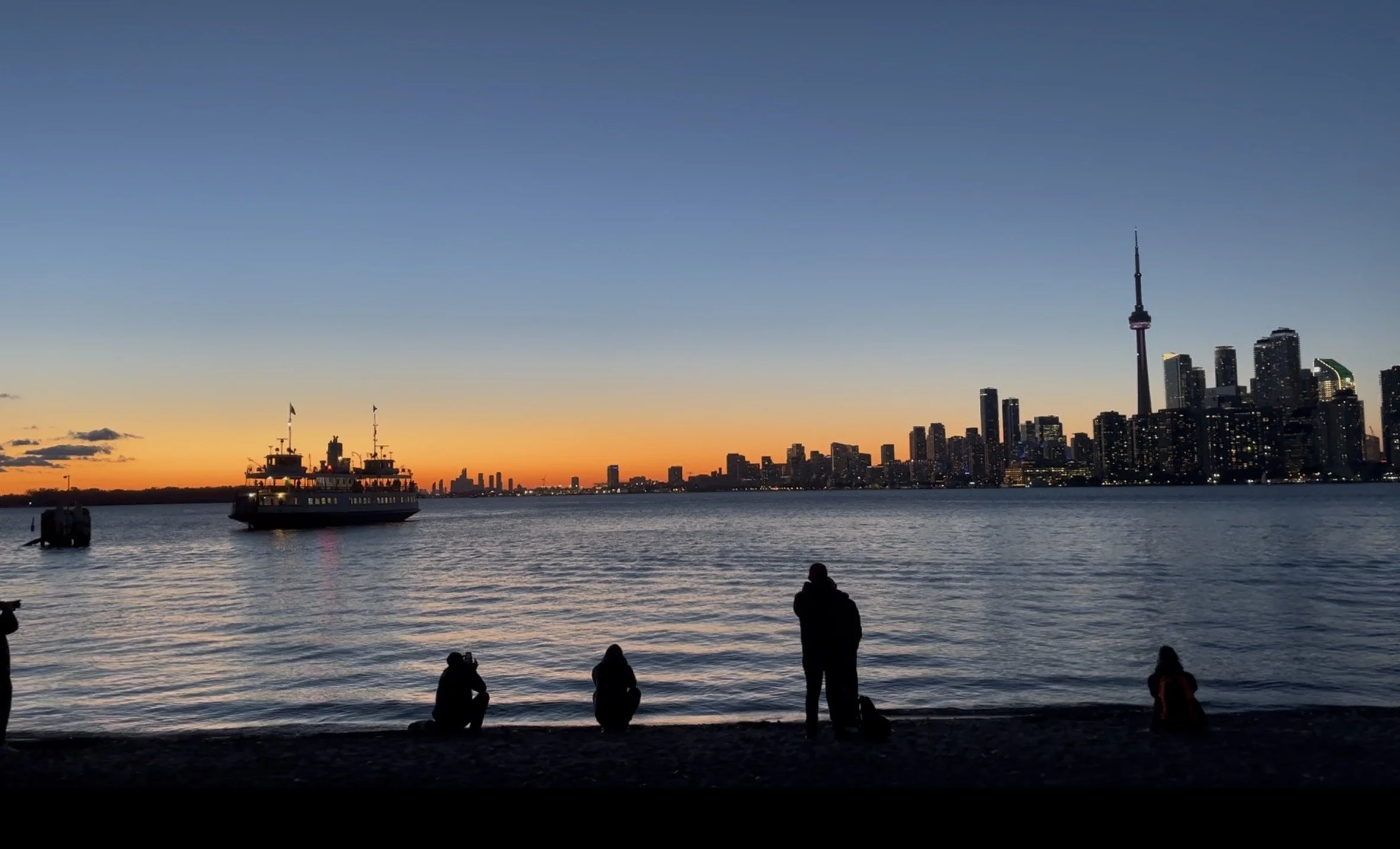
The Toronto Years brings together footage I captured from 2022–2025 while studying Biomedical Communications and working in Toronto, documenting the places, people, and everyday moments that defined those years. From Toronto and the Ontario campuses to the 2024 solar eclipse, Lake Simcoe, and life with friends and roommates, it is an homage to Toronto and an example of one of my favourite project types.
Early Public Health Communication
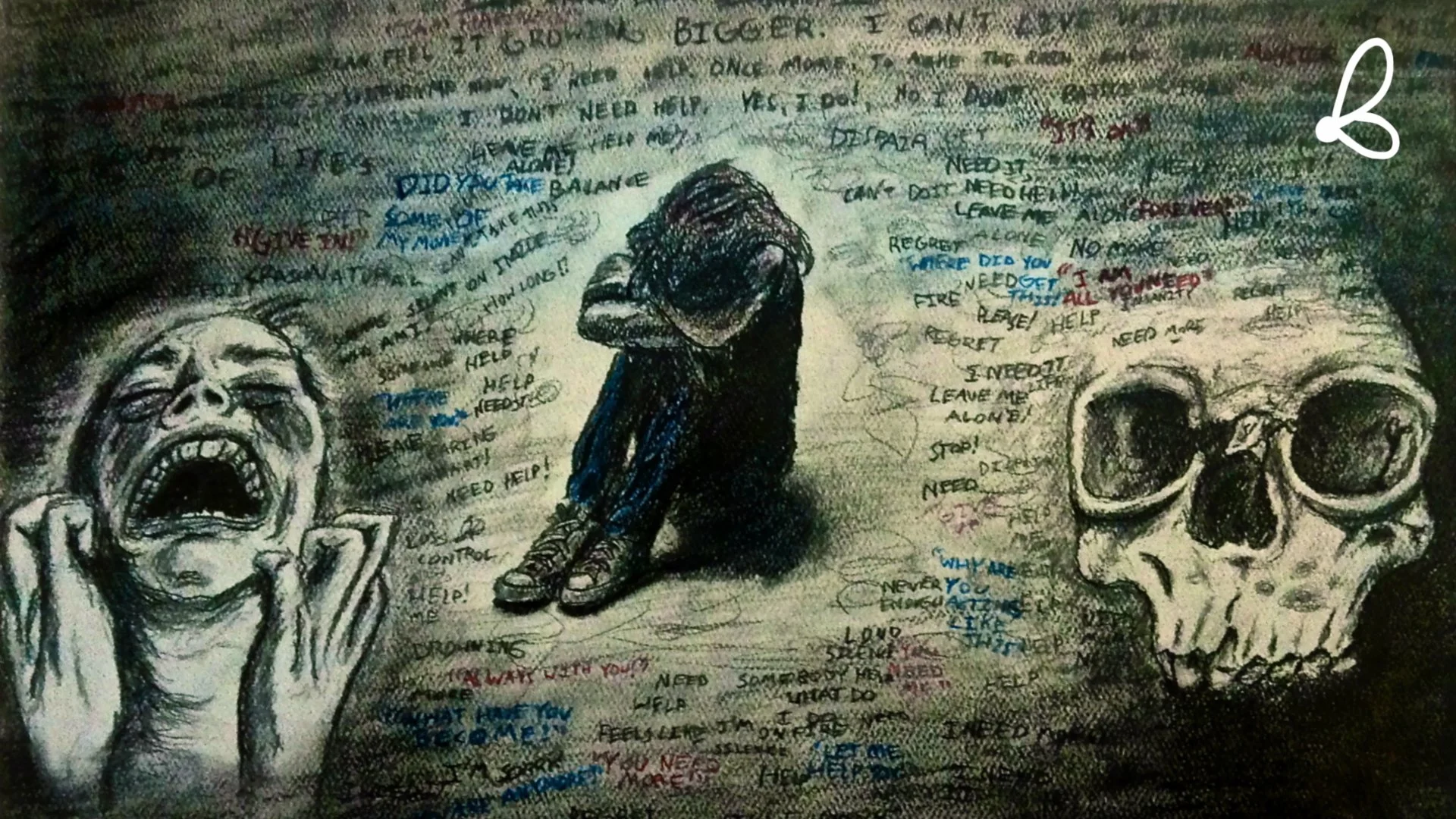
“The Monster of Addiction” - B.Lazar, 2014
For the project, I built a handmade recording rig. After researching emotional experiences of addiction, I recorded a one-take timelapse of the illustration seen above. I used layered text/colour symbolism - the black text functioned as the addicted individual, blue their loved ones, and red the addiction itself.
My interest in how stories can move people began long before my professional training. In high school, I created a timelapse illustration and short video focused on addiction awareness for a Youth Philanthropy Initiative project. Researching addiction narratives and lived experiences introduced me to the idea that visual storytelling could communicate difficult health topics in ways statistics alone often could not.
The project was later shared by the partnered charity organization and received recognition within the broader program.
Scientifically Accurate Picture Books
During an undergraduate Children’s Literature course, I researched nonfiction picture books and initially expected to critique their scientific accuracy. Instead, I found many were remarkably rigorous, including the work of illustrator and author Steve Jenkins.
Steve Jenkins’ Apex Predators included a full bibliography alongside scientifically accurate illustrations and subtle references to evolutionary biology and natural history. I argued work like this could be used to form positive experiences with science early, increasing scientific literacy rates in the future as adults, and reduce misinformation susceptibility during crisis like pandemics.
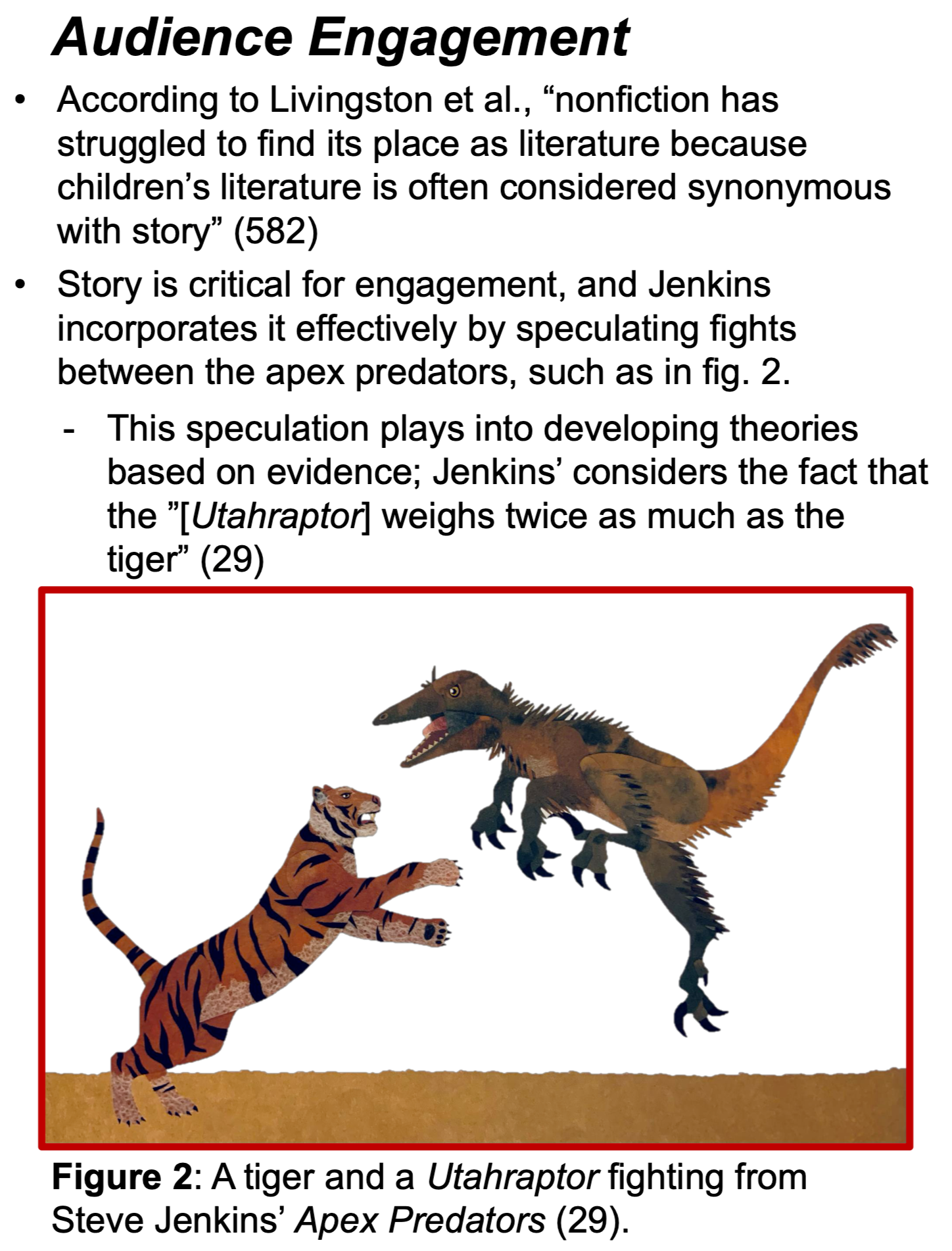
Image from “Your Dinosaurs are Wrong! An Analysis of Scientific Literacy and Informational Picture Books” Research Poster - B.Lazar, 2020
It was through this project I was connected to Dr. Katherine Boggs to develop the vaccine misinformation component of the Community Science Liaison (CSL) program, creating my own illustrated characters to boost scientific literacy in children early on.
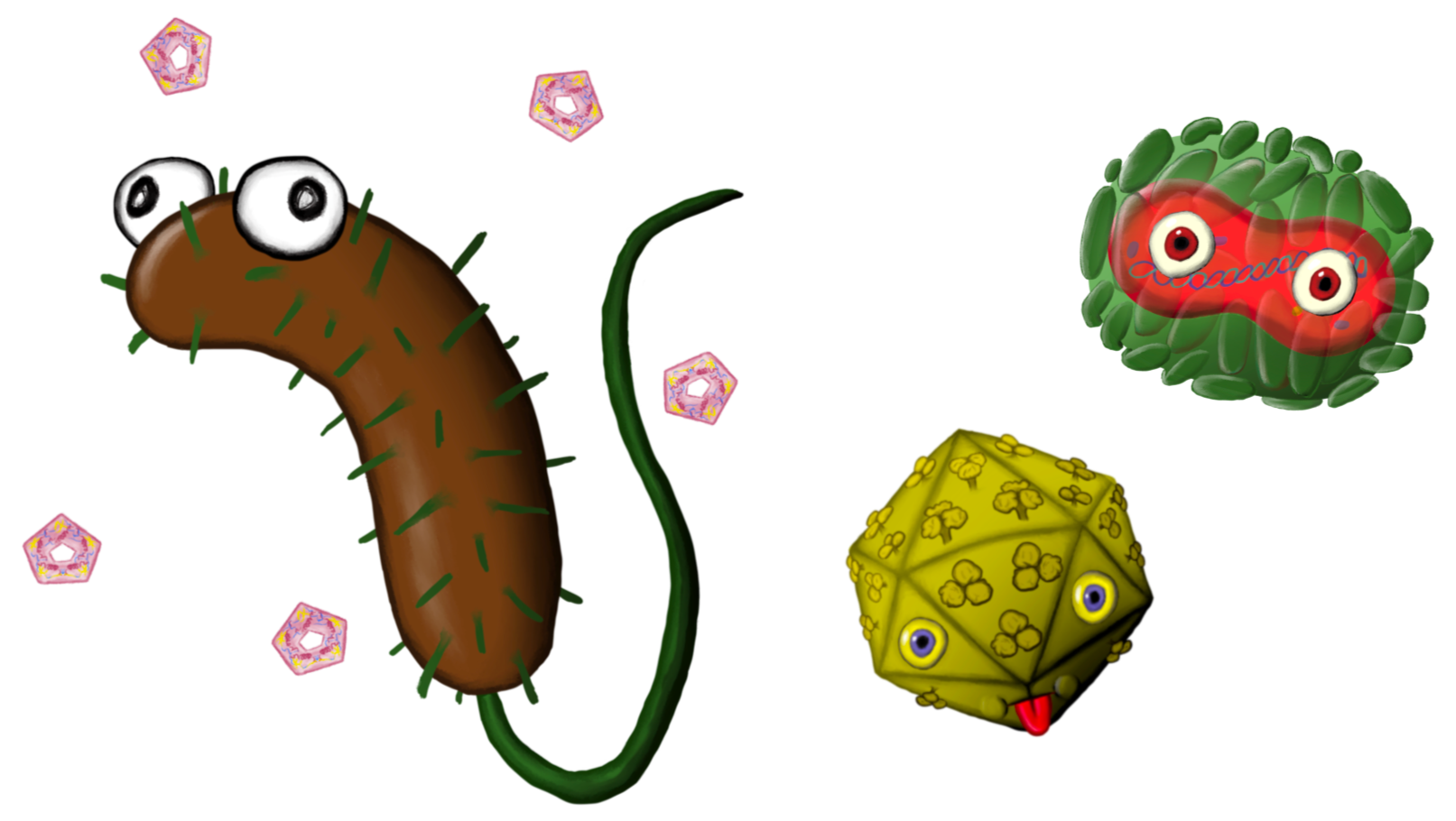
Disease Profile Illustrations of the Cholera bacterium (left), Yellow Fever virus (centre), and Small Pox virus (right) - B. Lazar, 2022; Procreate
Created for the CSL program vaccine education branch, these viruses were designed to be engaging for children while showing scientifically accurate traits of each disease such as yellow eyes for yellow fever, the double-stranded DNA visible inside smallpox, or the floating cholera toxins around the cholera bacteria.
Since then, storytelling has remained a recurring thread throughout my work in science communication, biomedical communications, and public engagement.
EON-ROSE and Multimedia Science Storytelling
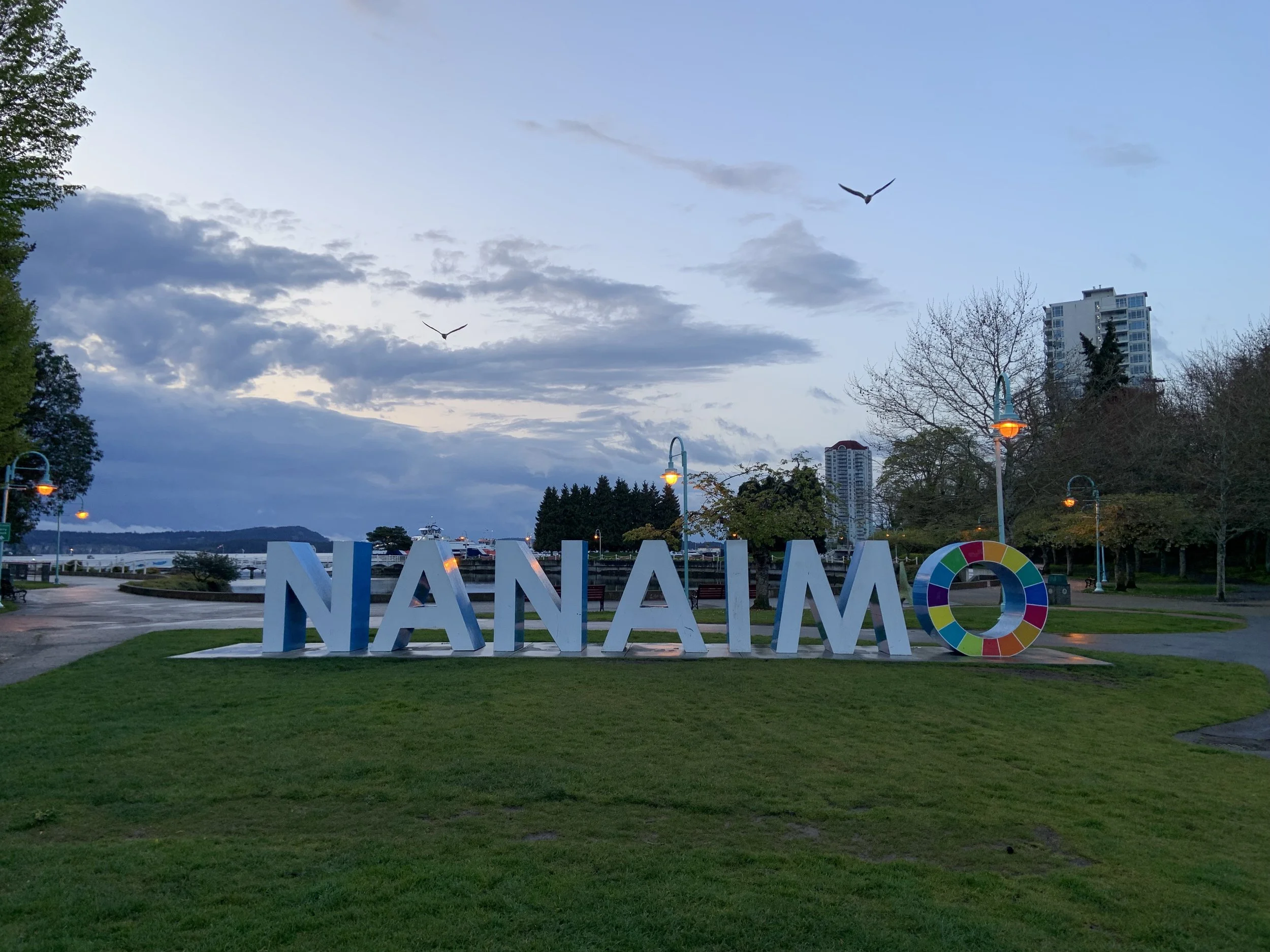
Photo by B. Lazar taken in Nanaimo, April 2022
While helping develop the Community Science Liaison Program, I designed the logo for the 2022 EON-ROSE conference in Nanaimo and led a communications workshop for geoscientists focused on explaining technical research clearly to broad audiences.
I also documented the conference through video and photography. I eventually edited it into a four-part video series featuring researcher interviews, conference coverage, and public-facing science storytelling focused on seismology and earth science.
These projects marked the beginning of a broader interest in multimedia science storytelling.
Since then, I have created more than 30 videos spanning medicine, physiology, biomedical communications, neurodivergence, and emerging technologies, collectively reaching more than 125,000 viewers.
Empathy Through Storytelling

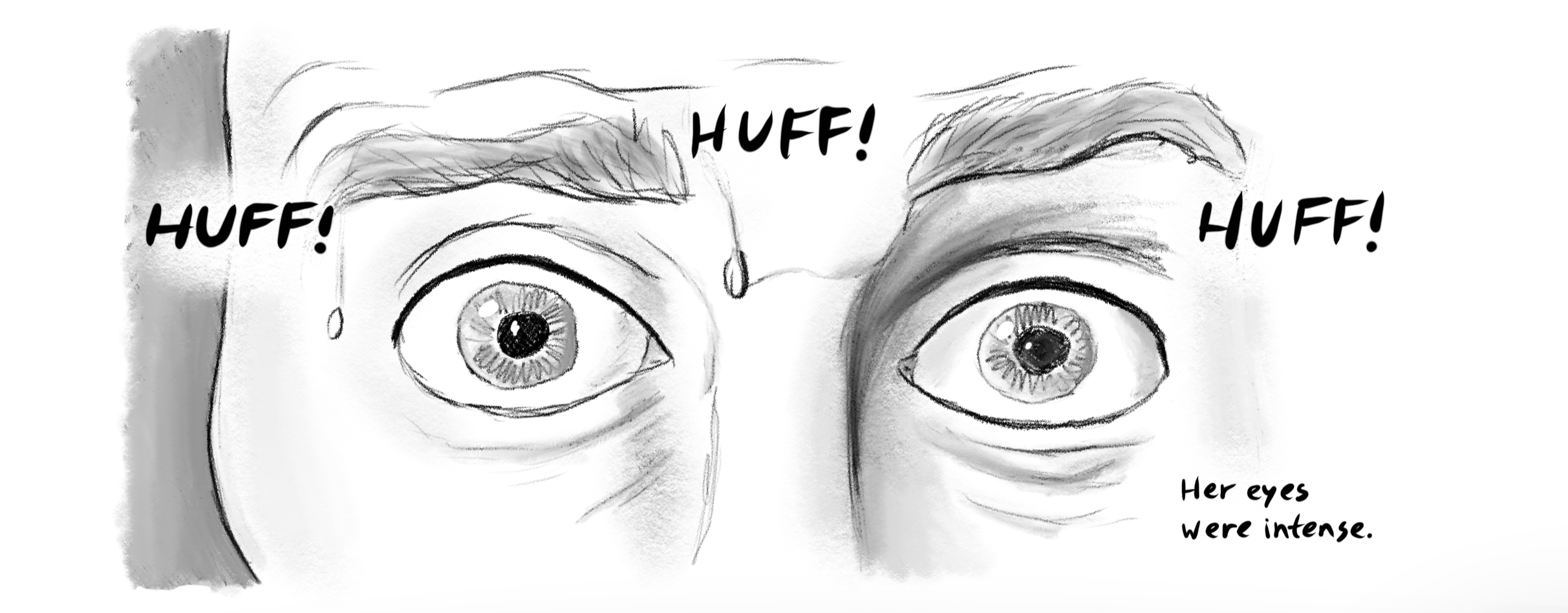
Comic panel from The Red Thread, by B. Lazar, 2024.
During my professional training in Biomedical Communications at the University of Toronto, I continued exploring storytelling through graphic medicine and comics.
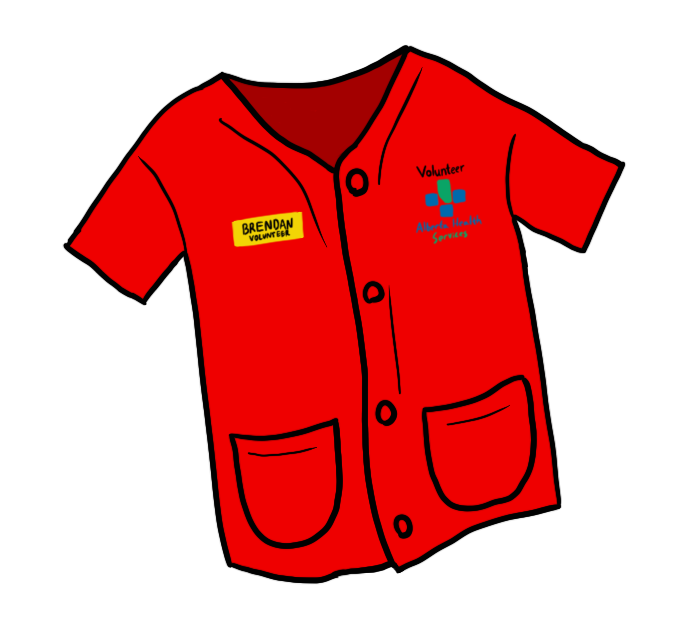
Drawing from experiences volunteering at Foothills Medical Centre in Calgary and Oilfields Hospital in rural Alberta, I created a narrative comic focused on empathy, patient interaction, and the emotional realities of healthcare environments.
The project emerged from a broader interest in how illustrated narratives can communicate healthcare experiences in ways that feel personal and accessible.
The comic was later shared with volunteer coordinators at Foothills Medical Centre and is now used in volunteer training focused on empathy in healthcare settings.
Full comic, process documentation, references, sketches, and mood boards showing how the project developed from research to finished work
Explore more of my work
Learn about my story, background, and career-forming projects
Designing clear, visual communication for complex scientific and medical information